
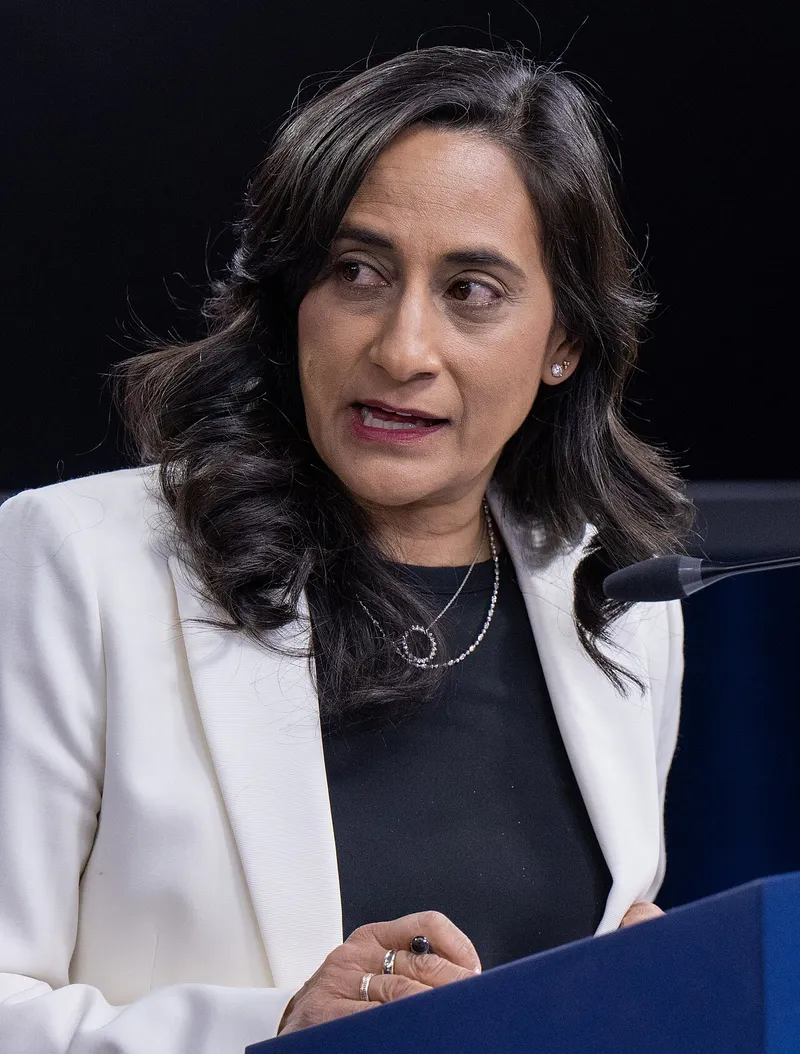
Canada imposed fresh sanctions on Russia on Monday, listing 38 entities and 24 individuals tied to missile development, cyber activity and financial enablers including crypto exchanges, announced by Foreign Minister Anita Anand at the G7 meeting in Paris.
Canada announced fresh sanctions against Russia on Monday, listing 38 entities and 24 individuals in a move aimed at weakening Moscow's ability to build ballistic missiles and to evade existing restrictions. Foreign Affairs Minister Anita Anand announced the measures on the margins of the G7 foreign ministers' meeting in Paris, under the Special Economic Measures (Russia) Regulations.
The sanctions target parts of Russia's defence industrial base, including actors involved in ballistic missile technology development and cyber activities, and financial enablers that help sustain the war economy, including crypto exchanges. The government said the measures are intended to further reduce Russia's military capabilities and raise the economic costs of its war against Ukraine, and to constrain its capacity to strike civilian targets.
Anand said Canada was acting to undermine President Vladimir Putin's capacity to strike Ukrainian cities with missiles, and that Canada would remain steadfast in its support for Ukraine and keep imposing costs on Russia until it ends its aggression and respects Ukraine's sovereignty and territorial integrity. The government said it would continue to stand with Ukraine and work with international partners toward a just and lasting peace consistent with the principles of the United Nations Charter.
The announcement, the numbers and the targets all come from Global Affairs Canada's own release, which is the primary record. The release does not name the 38 entities or the 24 individuals, and no list was attached to the copy reviewed, so this account does not identify any of them. The timing matters: the measures were announced at a G7 gathering, where Canada was coordinating the step with allies rather than acting alone.
The sanctions land as Russia continues its war in Ukraine and relies on sanctions-evasion networks to sustain its military operations, according to the Canadian government. Their practical effect will depend on how far the listed entities sit inside missile supply chains and how effectively the crypto-exchange measures cut off payment routes. Canada has sanctioned Russian individuals and entities repeatedly since the full-scale invasion, and each round has aimed at the same gap: the networks that keep weapons programmes supplied despite the restrictions already in place.