
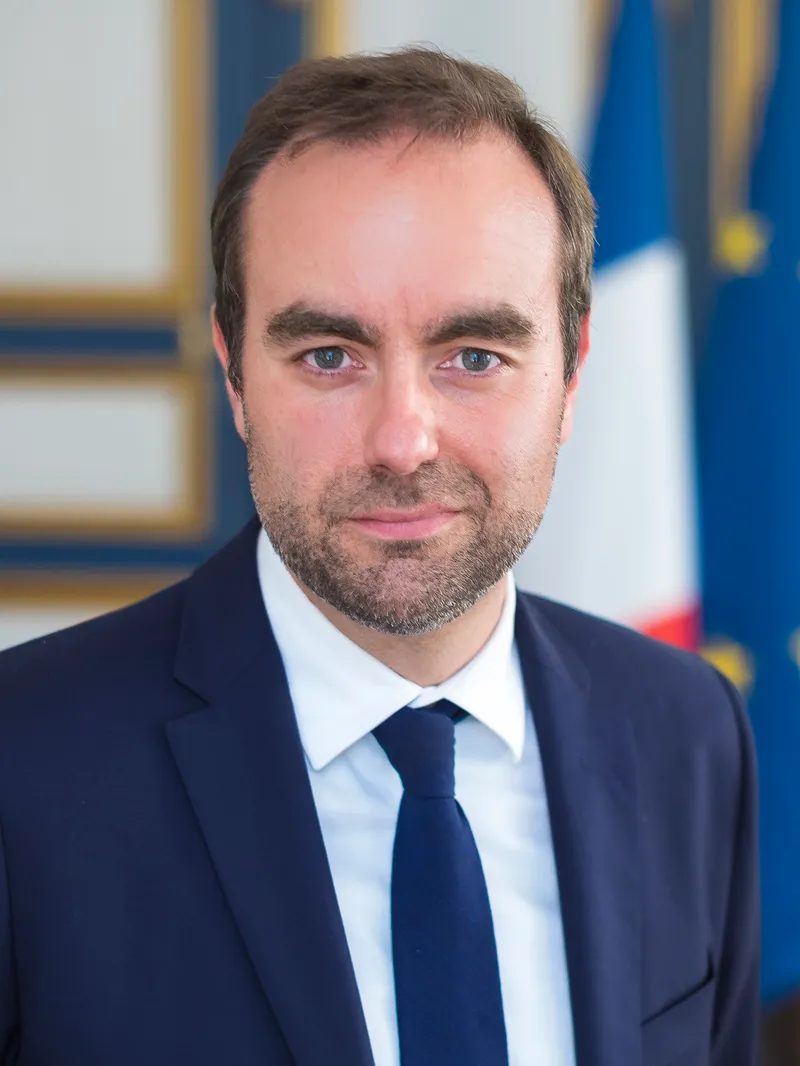
French Prime Minister Sébastien Lecornu announced a 1.6% rise in the minimum wage from 1 December, a month early, taking it to €1,502 net a month, after talks with unions and employers over the cost-of-living protests. Unions called the €24 increase far too small and the CGT called new protests for 17 November.
France will raise its minimum wage by 1.6% on 1 December, a month earlier than planned, Prime Minister Sébastien Lecornu said on Monday, offering the first concrete answer to weeks of protests over the cost of living. The rise takes the net monthly minimum wage to €1,502, up €24 from its current level.
The decision came after a Monday morning social conference at Matignon, where Lecornu met trade unions and employers' federations. Labour Minister Jean-Pierre Farandou gave the details at a press conference afterwards: the wage would normally rise on 1 January in line with inflation, but the government is bringing the increase forward by a month. The current level has stood since June, when it was raised by €35. Lecornu described the rise as the second-biggest in 20 years. A decree putting the December date into effect is expected shortly, and the government also plans to keep the €1,000 cap on the fuel allowance for employees in 2027.
The announcement lands after weeks of unrest that began in high schools in September, over underfunded schools, and widened into a broader outpouring of anger about living costs, public services and political stagnation. Demonstrations turned into riots in major cities on 17 October. The minimum wage reaches an unusually large share of French workers: it amounted to 67% of average earnings in 2024, and 12.7% of employees were paid at or near it, against 8% in Germany and 3.5% in the Netherlands, according to Eurostat. The unrest comes five months before a presidential election, while President Emmanuel Macron, at the end of his second term, is barred from running again.
The figures are the government's own, announced by Lecornu and detailed by Farandou at the press conference, and reported by Reuters from Paris. The June rise of €35 and the current level are on the same record. Two things are not yet settled: the decree that would make the December date law had not been published when the announcement was reported, and Lecornu's claim that this is the second-biggest rise in 20 years is his own description, not an independent ranking. The union leaders were in the room and their verdicts are on the record: the CFDT's Marylise Léon called the increase insufficient, and the CGT's Sophie Binet called it crumbs.
The gap between the €24 and what the unions asked for is now the story. The CFDT wanted €100 a month and the CGT a 10% rise, around €150, and the CGT has called new protests for 17 November. Lecornu's government has little room to go further: its debt burden is mounting, and the December date puts money in pay packets before Christmas while the presidential race takes shape. The next test is whether the decree lands as promised, and whether the 17 November protests draw crowds.
People Sentiments Public Mood: Mixed
- CFDT leader Marylise Léon called the increase insufficient
- CGT leader Sophie Binet called it crumbs
- CGT called new protests for 17 November