
The Pentagon says it will withdraw about 5,000 US troops from Germany over the next six to 12 months, a decision announced as President Trump feuds publicly with Chancellor Merz over the Iran war.
The Pentagon will withdraw about 5,000 US troops from Germany, a decision announced on Friday that lands in the middle of a public row between President Donald Trump and Chancellor Friedrich Merz over the war in Iran.
"The Secretary of War has ordered the withdrawal of approximately 5,000 troops from Germany," chief Pentagon spokesman Sean Parnell told Fox News Digital. "This decision follows a thorough review of the Department's force posture in Europe and is in recognition of theater requirements and conditions on the ground. We expect the withdrawal to be completed over the next six to 12 months."
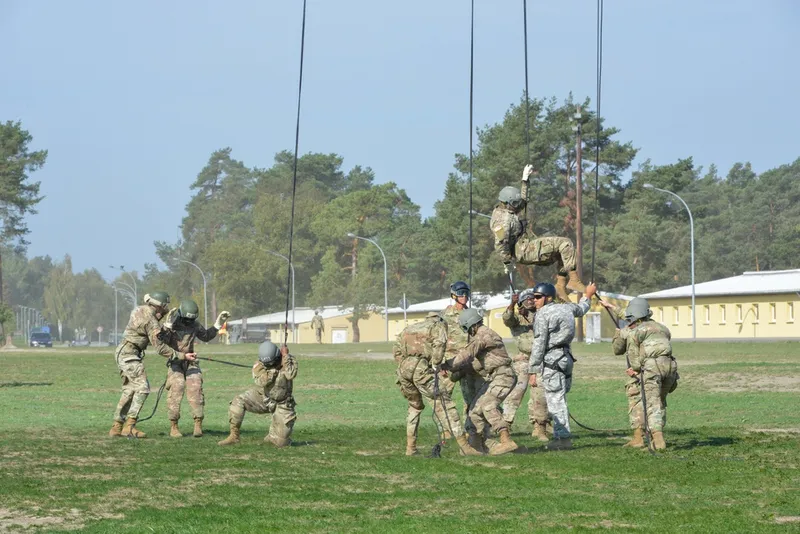
About 36,000 to 38,000 US troops are stationed in Germany, home to Ramstein Air Base and the Landstuhl military hospital, and the cut would return numbers roughly to where they stood before Russia's full-scale invasion of Ukraine in 2022. Media reports say a Stryker brigade based at Vilseck in Bavaria is among the units affected. Merz said on Monday the move came as no surprise, and his defence ministry called it foreseeable.
The Pentagon's statement is confirmed by both Fox News Digital, which received the spokesman's confirmation, and Al Jazeera's reporting of the same announcement. The timing is what ties the move to the feud: it followed days of open friction after Merz said Washington had been "humiliated" in its dealings with Tehran and accused Trump of having "no strategy", and after Trump told Merz to spend less time on Iran and more on Ukraine. The Pentagon frames the cut as a routine posture review, not a punishment, and neither side has said where the troops will go, whether back to the United States, elsewhere in Europe or to the Indo-Pacific.
The withdrawal is small next to the 36,000 troops who will remain, and Germany is still the second-largest host of US forces abroad. What matters is the signal: a president willing to move troops while publicly feuding with an ally, and a German government using the moment to argue that Europe must become stronger inside NATO. Berlin's answer is already visible. On Monday Germany sent a minesweeper and a replenishment vessel toward the Mediterranean, bound for the Strait of Hormuz. The next test comes when the withdrawal begins and the towns around Vilseck and other bases learn which units are leaving.