

Centre says all 893 E20 petrol samples met standards, rejects Karnataka's 26-31% ethanol claim
The petroleum ministry says all 893 E20 petrol samples tested across 27 states and union territories met the IS 17021 standard, rejecting Karnataka's claim that some outlets sold petrol with 26-31% ethanol.
Story So Far
The Ministry of Petroleum and Natural Gas has pushed back against Karnataka's claim that petrol sold at some outlets in the state contained 26 to 31 per cent ethanol, saying nationwide testing found every sample within the prescribed limits for E20 fuel.
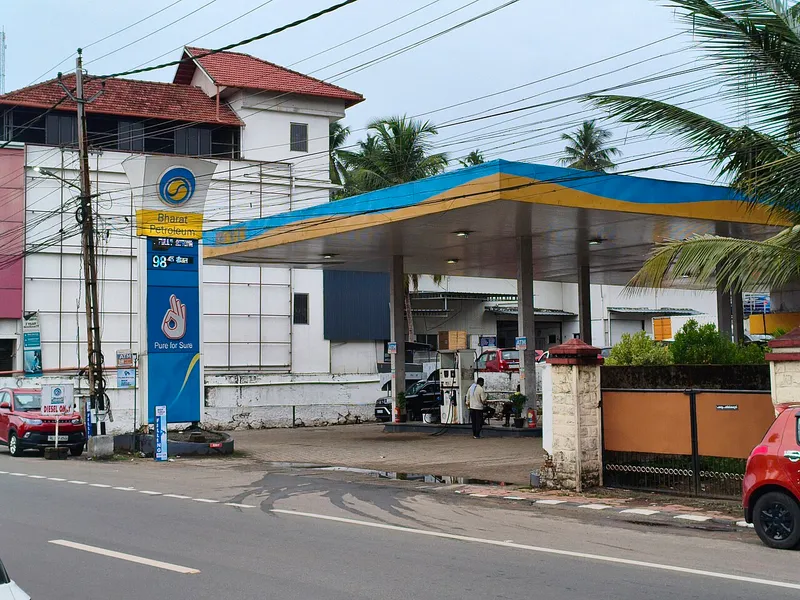
The ministry said 893 E20 samples drawn from depots and retail outlets across 27 states and union territories were tested under the Bureau of Indian Standards specification IS 17021, and all fell inside the prescribed 19 to 21 per cent ethanol range. Indian Oil contributed 330 samples, Bharat Petroleum 280 and Hindustan Petroleum 283. In Karnataka, all 56 samples tested came back between 19 and 20 per cent, averaging 19.30 per cent.
The row began with a press release from Karnataka's food and civil supplies department, which said samples collected from certain retail outlets in an October exercise showed ethanol at 26 to 31 per cent. The three state oil companies say the state's exercise did not follow the prescribed procedure: samples were drawn without their representatives present, no counterpart retention samples were handed over, and the laboratory certificates cited only ethanol percentage by gas chromatography, without the test method, dilution procedure or reference material. They also point to the density readings on the certificates, 0.742 to 0.749 g/cc, as lower than the 0.752 to 0.760 recorded for their own E20 samples, when higher ethanol content would ordinarily raise density.
Neither side's figures settle the matter on their own. The two sets of samples came from separate exercises, and nothing published so far shows both sides tested the same outlets or the same batches, so the ministry's results do not disprove Karnataka's readings and Karnataka's readings do not establish a wider failure. The companies have asked Karnataka for the full sampling documentation, outlet-wise laboratory reports and the counterpart samples, so the disputed fuel can be tested again at an authorised laboratory with both sides present. Karnataka's accompanying estimates, about Rs 62,000 crore a year in lost mileage and Rs 39,000 crore in vehicle repairs, are also unproven: the ministry says they rest on a blanket assumption of 10 per cent mileage loss, while its own published figures put the loss at 1 to 2 per cent for E20-calibrated vehicles and 3 to 6 per cent for some others.
The argument lands on a programme that now touches most Indian motorists. More than 30 crore two-wheelers and four crore four-wheelers have run on E20 for over three years, and the oil companies procured 1,089 crore litres of ethanol and blended 1,134 crore litres in the ethanol supply year to 31 October 2026. The ministry credits the programme with more than Rs 1.97 lakh crore in foreign-exchange savings since 2014-15, along with payments of over Rs 1.66 lakh crore to farmers.
For now the two governments are talking past each other with different samples. The oil companies say they will cooperate with joint sampling and testing under the 2005 Control Order and the 2024 marketing discipline guidelines, and that any deviation established through that process will be dealt with under the rules. No date for the joint exercise has been announced.
Keywords
- E20 petrol
- ethanol blending
- IS 17021
- Karnataka
- Ministry of Petroleum and Natural Gas
- IOCL
- BPCL
- HPCL
- fuel quality
Tags
Source
Fuel quality row between Centre and Karnataka; motorists watching the ethanol blend