

China launches 43rd Antarctic expedition with more than 600 researchers aboard three ships
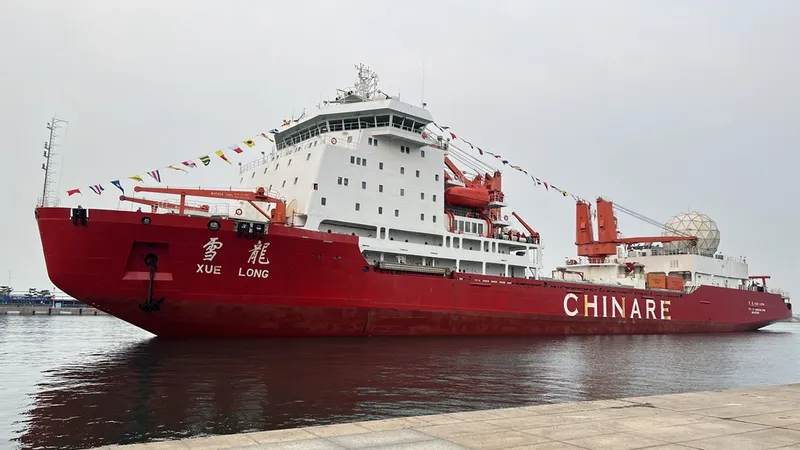
China sent off its 43rd Antarctic scientific expedition from Sanya on Saturday, dispatching more than 600 researchers and support staff from over 100 institutions aboard the icebreakers Xuelong and Xuelong 2 and the research vessel Dayang. The team is due back in China in April 2027.
The mission will complete construction and formally accept the Qinling Station, China's fifth Antarctic research base, including its main building, communications systems and sewage treatment. The team will also keep drilling through the ice sheet toward a subglacial lake, building on the 3,413 metres bored during the 42nd expedition, survey sites for a possible new station, and prepare upgrades for the long-serving Great Wall and Zhongshan stations.
China has sent an expedition south every year since 1984, and the annual voyage has become the backbone of its polar programme. This year's team will cooperate with Norway, Chile and Bulgaria on ice-sheet, geology and snow research, and will host scientists from Thailand, France, Belgium and Portugal as well as from Hong Kong and Macao. The mission will also test domestically built polar equipment, including unmanned aircraft, ground vehicles and pressurised buildings.
The details come from Xinhua's account of the departure ceremony, organised by the Ministry of Natural Resources, and a second Chinese report drawing on the same official announcement repeats the same figures for people, ships and the April return. No independent account of the departure had appeared by publication, so the expedition's size and timetable rest on the official announcement alone.
The voyage lands in a crowded polar season. Days earlier China adopted a law tightening environmental rules for Antarctic activities, and the expedition's own agenda leans heavily on climate work, from long-term monitoring of the polar ocean and polynyas to studying how warming seas affect marine life. How the Qinling Station performs once fully accepted will show whether China's fifth base can carry the research load its planners intend.