

Health Canada warns bacteria found in seized injectable peptides; over 11,400 vials taken
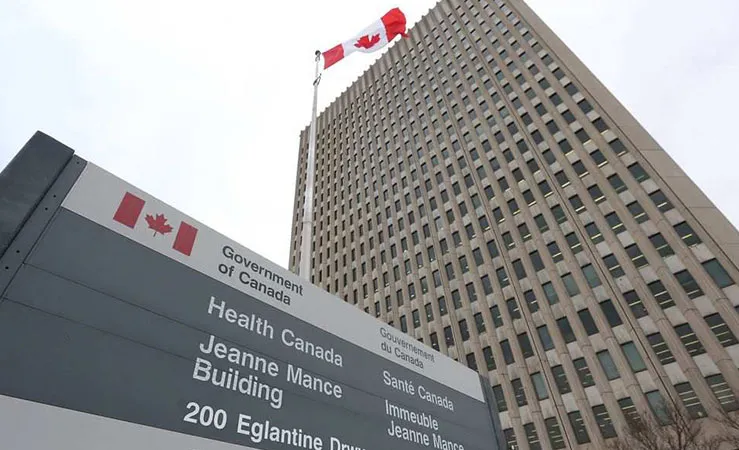
Health Canada has warned people not to use or inject unauthorized peptide drugs sold online after laboratory testing found bacteria in seized products, and says it has taken more than 11,400 vials out of circulation.
The public advisory, published on 6 November, says the department seized and tested injectable peptides from Shanghai ERP Peptide Biotechnology Co. Ltd. and found bacteria including Acinetobacter seifertii, Acinetobacter nosocomialis and Propionibacterium acnes. It identified two Canadian online retailers selling the company's products, truenorthbiolabs.ca and bcaxiompeptide.com, obtained court-issued entry warrants, and seized stock from both. The two websites are no longer active.
The products sold included human chorionic gonadotropin, MOTS-C, NAD+, retatrutide, tesamorelin and tirzepatide. Health Canada said injecting contaminated products can cause serious infections, hospitalization and, in severe cases, life-threatening sepsis, with a higher risk for people with weakened immune systems. Anyone who has used an unauthorized injectable peptide and develops redness, swelling, pain at the injection site, fever or chills should seek medical attention at once.
The advisory itself is the primary source, published on Health Canada's recalls site under number RA-82930, and its figures were carried by Canadian Press coverage. The advisory does not say how many vials were tested, how many carried bacteria, or which products or lots were affected, and it reports no cases of illness linked to the products.
Unauthorized peptides are sold online as performance, weight-loss and anti-ageing treatments, and the seizure shows how much of that trade runs through small retailers beyond the regulator's reach. Health Canada has asked the Chinese supplier to stop selling into Canada and is working with the Canada Border Services Agency to block shipments, while the seized vials are out of circulation.