

Judge lets NAACP Clean Air Act lawsuit over xAI gas turbines proceed
A federal judge refused to dismiss the NAACP's Clean Air Act lawsuit over gas turbines powering xAI's Colossus data centre near Memphis, clearing the case to proceed against the artificial intelligence company.
Story So Far
A federal judge has refused to dismiss the NAACP's Clean Air Act lawsuit over gas turbines powering xAI's Colossus data centre near Memphis, clearing the case to proceed against the artificial intelligence company. The October 30 order, from US District Judge Debra M. Brown in the Northern District of Mississippi, rejected the company's bid to throw the case out before trial.
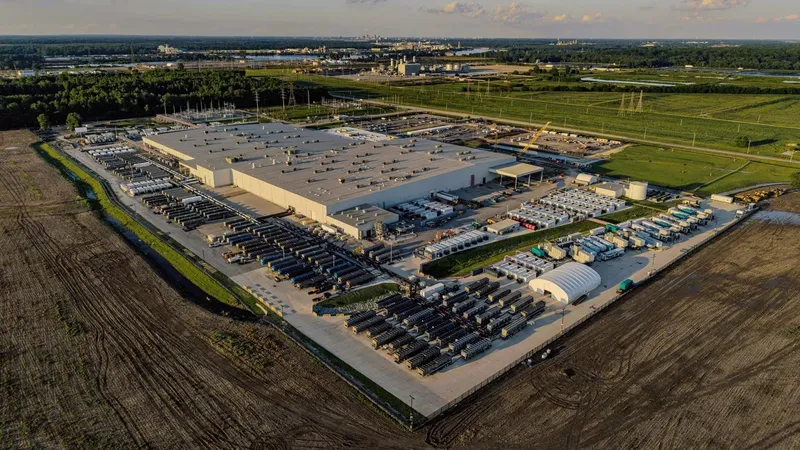
The lawsuit, filed on April 14 by the NAACP and its Mississippi State Conference, accuses xAI and its energy affiliate MZX Tech of building and operating the Colossus Gas Plant in Southaven, Mississippi, without the air pollution permits the Clean Air Act requires. The plant supplies electricity to the Colossus 2 data centre in Memphis, Tennessee, and had at least 27 gas-fired combustion turbines installed as of April 7, with a combined generating capacity of at least 495 megawatts. The Southern Environmental Law Center and Earthjustice represent the NAACP.
xAI argued the turbines were portable and temporary and therefore exempt from permitting as mobile sources, and that the Clean Air Act's citizen-suit provision, which lets private parties bring enforcement cases, is unconstitutional. The judge rejected both arguments, holding that the turbines are not mobile sources under Mississippi's state air quality plan and that the NAACP has standing to sue. A separate bid by the Justice Department to have the case dismissed, intervening on the company's behalf, had already failed.
The order's reasoning is on the record, but the ruling decides no facts about pollution or permits: whether the plant violated the Clean Air Act is still to be tried, and the ruling is not a finding that the companies broke the law. The turbine count and capacity come from the plaintiffs' filings as cited in coverage of the ruling.
The decision keeps a route to court open for communities challenging the power plants behind artificial intelligence data centres, and the NAACP is also seeking a preliminary injunction to stop the turbines running while the case continues. An evidentiary hearing is scheduled for Monday, November 9, at the Mississippi Department of Environmental Quality office in Jackson.