

Mahama unveils $9bn New Economy plan to create jobs, with details due in 2027 budget
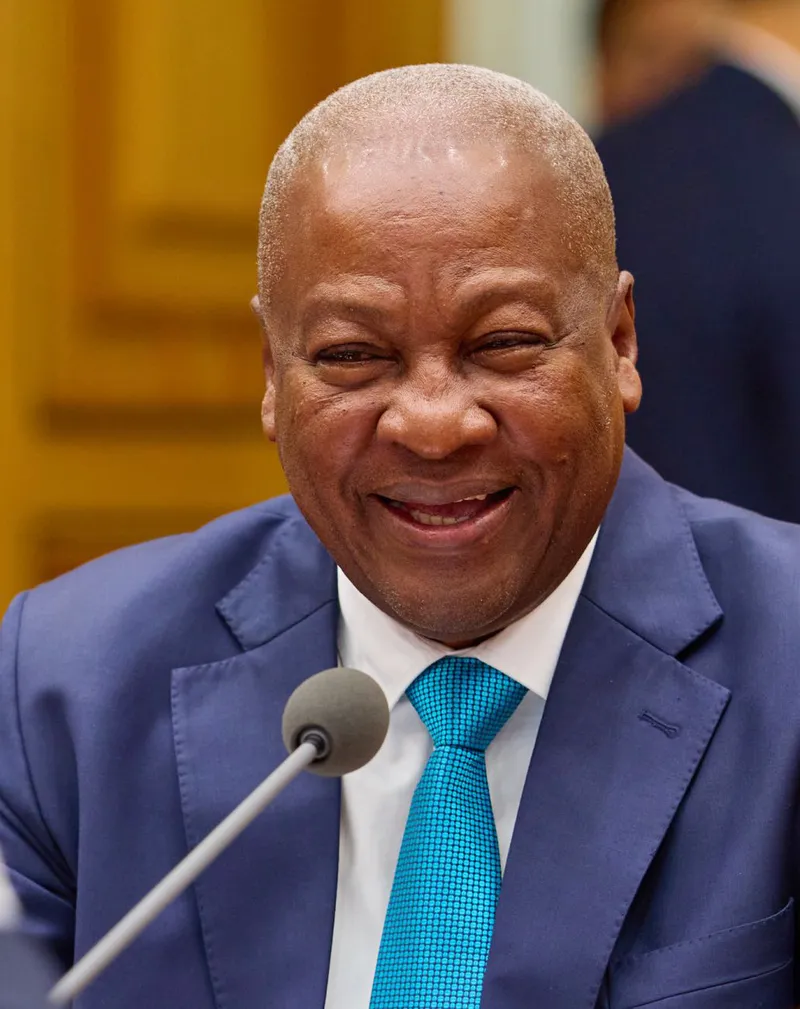
President John Dramani Mahama has put a number on the next phase of his government: more than $9 billion, channelled into sectors that create jobs, between 2027 and 2030. He announced the plan, called the New Economy, at the Hogbetsotso Festival in Anloga on Saturday, telling the crowd that 22 months spent steadying the economy were largely done and that the work now was to turn that stability into jobs people could live on.
The money is aimed at textiles and garments, commercial agriculture, hospitality and tourism, with the Volta Region singled out as a major beneficiary. The full blueprint will be laid out in the 2027 budget, which Finance Minister Cassiel Ato Forson is due to present to Parliament on Thursday, 12 November. Mahama did not give a breakdown of the $9 billion by sector, or say how it would be financed.
The clearest detail so far concerns the Volta Region itself. Two hundred acres have been acquired at Keta for a light industrial area dedicated to textiles and garments, with the Ghana Exim Bank commissioned to start work; Mahama said it should create at least 3,000 jobs at first and 10,000 when fully running. The 2027 budget will also carry GH¢250 million to continue and complete the second phase of the Blekusu sea defence project, and GH¢685 million to begin coastal works under the West African Coastal Areas programme. Most sections of the Eastern Corridor Road should be finished by the end of 2027, he said, and he plans to cut the sod for the Volivo Bridge over the southern Volta River in the first quarter of next year.
The $9 billion is a commitment to invest, not money already raised or allocated, and the financing question is still open. No sector-by-sector split has been published, and the budget presentation on 12 November is the point at which the government will have to show where the money comes from, whether borrowing, private capital, development partners or a mix of all three. A local policy institute, the Institute of Economic Research and Public Policy, has already pressed the government to publish the programme's full financing structure, investment criteria and accountability mechanisms in the budget. The jobs figures are the president's projections for the Keta industrial area, and the ambition to move Ghana towards an investment-grade sovereign credit rating comes from the finance minister.
The announcement lands as the government approaches the end of its second year in office, having taken power in January 2025. Mahama told the festival crowd that the objective of stabilising the economy had largely been achieved, and that fiscal discipline would mean choosing priorities carefully and financing them responsibly. The Keta Port project is also moving: 47 companies submitted expressions of interest to partner with the ports authority, and due diligence has narrowed the list to seven that will go on to develop designs and arrange financing. The government has directed that at least 80 per cent of the District Assemblies Common Fund go straight to the districts to pay for local roads, schools and clinics.
The reaction in Anloga was not uncritical. Togbui Sri III, the Awoamefia of the Anlo State, used the same festival platform to ask the government to see the Blekusu sea defence wall through without interruption, to give clear and transparent timelines for the Keta Port, to finalise the promised relocation of the Eastern Naval Base to Keta, and to move from talk to construction on a University of the Blue Economy and Coastal Ecosystems for the area's young people. His message was that the region has heard promises before and wants to see building work.