

UK to ban goods made with forced labour from shops under new due-diligence law
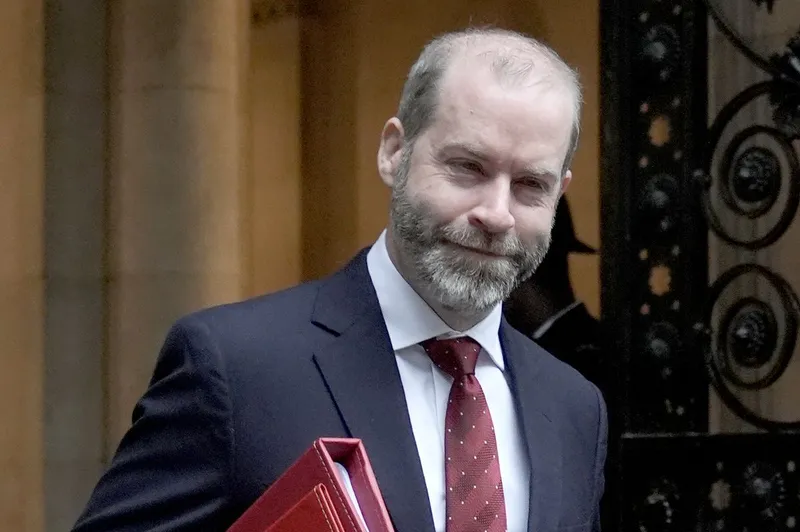
Companies that sell goods made with forced labour will have to withdraw them from sale under new laws announced by the UK government on Monday. Business Secretary Jonathan Reynolds set out the plans in a letter to the Commons Business, Innovation, Science and Trade Committee, confirming the government will amend legislation to enforce the prohibition.
The new duty will require mandatory human rights due diligence from British businesses with a global turnover above 350 million pounds, as well as non-UK businesses generating more than 350 million pounds in UK turnover. Firms that fail to comply could be compelled to remove products linked to forced labour or modern slavery from sale. Reynolds wrote that the package strikes the right balance between safeguarding the competitiveness of responsible businesses, strengthening confidence in UK markets and keeping goods linked to forced labour away from consumers.
The announcement follows almost two years of pressure from the cross-party committee, which has been pushing for tougher modern slavery protections since it heard testimony from Chinese-owned fashion retailer Shein in January 2025. During that session, the company repeatedly refused to confirm whether its products were made with cotton sourced from China, including Xinjiang, where the Uighur minority are widely believed to be subjected to forced labour.
The facts of the announcement are straightforward and come from the government's own letter, as reported by the Press Association: the due-diligence duty, the 350 million pound threshold, and the power to force withdrawal of products are all stated in Reynolds's letter to the committee. What is not yet settled is how the law will work in practice. No timetable has been published, no regulator has been named, and the committee's chair, Liam Byrne, welcomed the pledge while saying the government still needs to set out a clear timetable, a regulator with the resources to enforce the rules, and meaningful consequences for companies that fail to comply.
Byrne said it had been an outrage that the country which led the abolition of slavery had weaker defences against forced labour imports than either the European Union or the United States. He said that almost two years after the Shein hearings, when the firm repeatedly refused to confirm in Parliament whether its products contained cotton from China, including Xinjiang, there was now a clear commitment to change the law.
The government has not said when the legislation will be introduced or when the new duties would take effect. The next step is for ministers to bring forward the amendments and for Parliament to scrutinise them, with the committee expected to press for the enforcement detail Byrne called for.